Soldier of Fortune Magazine The Journal of Professional Adventurers



The first CIA officer killed in the line of duty rode for six months across deserts and mountains while escaping Communist China.
by Stephen Caldwell
Douglas Mackiernan rode at the front of the caravan, pushing his horse across the frozen Tibetan plateau. The animals were thin, the men exhausted, and the nearest safe border was still weeks away.
Behind them stretched months of travel through deserts and mountains. Ahead lay Tibet – and, they hoped, a way out.
The caravan moved slowly across the Chang Tang, the vast high region of northern Tibet where the horizon runs empty for hundreds of miles. The wind there sweeps across gravel plains and frozen ground, carrying dust, cold, and silence. In the spring of 1950, Mackiernan and a small group of companions were crossing that wilderness on horseback after escaping Communist-controlled China.
READ MORE in Survival: Bitten by a Black Mamba Snake in Africa
The journey had already taken months.
Mackiernan had begun the trek the previous autumn in Ürümqi, deep in China’s Xinjiang province. During World War II he had served there as a U.S. Army Air Forces meteorologist and radio operator. The remote posting placed him near the Soviet frontier, and after the war American intelligence recognized the location’s value. Mackiernan remained under diplomatic cover as a State Department vice-consul while secretly working with U.S. intelligence operations monitoring Soviet activity and gathering scientific data connected to nuclear test detection in Central Asia.
Then the Chinese Civil War reached Xinjiang.
In 1949 Mao Zedong’s Communist forces swept across western China, absorbing the region and forcing the closure of the American consulate in Ürümqi. Mackiernan suddenly found himself deep inside territory controlled by the new Communist government. The routes out were risky, but he couldn’t stay.
As the communist army closed in, Mackiernan decided to embark a treacherous overland journey.
Before leaving, Mackiernan destroyed sensitive equipment and documents. He assembled a small party that included American anthropologist Frank Bessac, a Soviet émigré named Vasili Zvansov, and several other companions. With assistance from local Kazakh fighters associated with anti-Communist resistance leader Osman Batur, the group rode out of Xinjiang in September 1949.
Their escape route cut across some of the most unforgiving terrain in Asia.

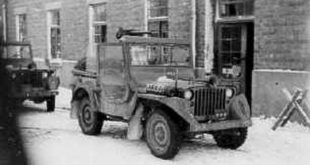
Images created for Soldier of Fortune.
They skirted the edge of the Taklamakan Desert, climbed into the icy passes of the Kunlun Mountains, and pushed onto the vast emptiness of the Tibetan plateau. Food was scarce. Pack animals died along the way. The travelers relied heavily on scattered networks of nomadic traders who crossed the high country. The party wintered with Kazakh tribes before continuing south.
By early spring 1950 they finally reached Tibetan territory.
After months of riding through hostile country, the worst appeared to be behind them.
On April 29, 1950, the group approached a Tibetan border patrol camp. Tibet had been notified of their arrival and was expected to grant them safe passage. To announce the caravan, Frank Bessac rode ahead toward the outpost.
The guards were already tense.
Foreign travelers were almost unheard of in that remote frontier region, and Tibetan soldiers had orders to stop unknown parties approaching from the north. When Mackiernan and two companions moved forward toward the camp, the patrol opened fire.
Mackiernan and two others were killed almost immediately. Another member of the group was badly wounded. Only afterward did the Tibetan soldiers realize the terrible mistake.
Five days later, couriers arrived from Lhasa carrying official documents authorizing Mackiernan’s safe passage across Tibet.
The message arrived too late.
The survivors eventually reached Lhasa weeks later and reported the incident. For years the details remained buried in classified files. Publicly, Mackiernan was described simply as an American government official killed during a remote expedition across Tibet.
Inside the intelligence world, his death carried a different meaning.
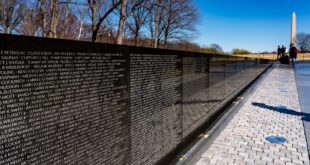
Douglas Mackiernan became the first CIA officer killed in the line of duty, represented by the very first star carved into the Agency’s Memorial Wall at CIA headquarters in Langley, Virginia.
His escape had carried him across deserts, revolutions, and nearly a thousand miles of some of the harshest terrain on earth.
It ended in a burst of rifle fire on the lonely Tibetan wilderness, and one message too late to save him.
Stephen Caldwell researches the history of covert operations and intelligence tradecraft.