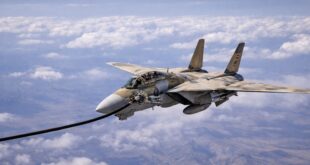
Soldier of Fortune Magazine The Journal of Professional Adventurers


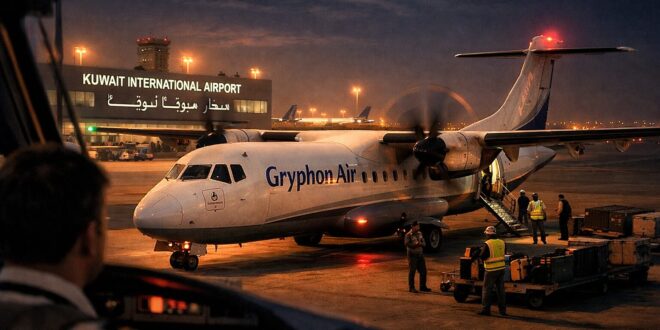
“GRASS IT IF YOU HAVE TO GRASS IT! HIT THE GRASS!”
by Mr. Wolf
The desert night air hung heavy over Kuwait International Airport as I climbed into the jump seat of the ATR-72. The twin turboprops were already whining to life, their blades slicing through the cooler evening air that promised better performance than the blistering daytime heat.
Captain Ramirez, a steady veteran with SwiftAir, glanced over his shoulder and gave the crew his signature line:
“Let’s get her buttoned up and ready to fly, guys. I think this is going to be an excellent trip.”
I wasn’t so sure. Gryphon Air had only been running these missions for a short time, linking passengers between Baghdad International Airport (BIAP) and Kuwait so they could connect directly to United Airlines flights back to the States. We were the only civilian outfit cleared to use the military terminal in Baghdad, a privilege earned through painstaking coordination and clearances that often felt one email away from vanishing. This was just our second night flight, and the risks never fully left my mind. As trip commander, I wasn’t a rated commercial pilot, but I sat between the two pilots to troubleshoot whatever chaos the war zone threw at us. There was always something.
Tonight we carried about a dozen passengers north – contractors, diplomats, and weary soldiers rotating in – then would pick up a similar group for the return. Forty minutes up, forty back. Simple on paper. Deadly in practice.
The young Spanish copilot, on only his second assignment, ran through his checklist with focused precision. The cabin crew confirmed everyone seated and belted. I had filed the flight plan that morning and carried the confirmation email for our clearance number: G5231.
“Sir, are all the arrangements made?” the captain asked me.
“As far as I know, yes,” I replied, adjusting my headset so I could monitor and intervene if needed. “Let’s roll.”
Kuwait Tower cleared us quickly. The airport buzzed with activity at night, the cooler air allowing heavier loads and sharper performance. We taxied out, lined up, and lifted off smoothly, turning toward BIAP.
Below us, the desert unfolded in absolute blackness, broken only by the occasional flicker of a distant fire or lamp from a Bedouin camp. It was haunting to think that in the early 90’s, coalition forces had rolled across this same emptiness, smashing Saddam’s Republican Guard. Tonight, the emptiness felt watchful, threatening.
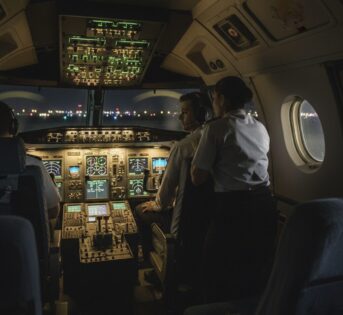
As the lights of Baghdad began to glow on the horizon, tension crept into the cockpit. The captain called for approach checks. The copilot responded crisply. Then the captain keyed the mic.
“Baghdad Tower, Gryphon 42 on approach to BIAP, intent to connect to coalition terminal. Request direction and instructions for landing.”
Silence stretched a beat too long. No runway lights pierced the darkness ahead.
“Gryphon 42, who did you say you were with?” the controller asked.
“Tower, Gryphon Air on approach. We have arranged clearance. Request lights and landing instructions,” the captain replied, irritation edging his voice.
“Gryphon, we don’t show any flights scheduled. Please return to Kuwait or divert to Jordan.”
My stomach tightened. We were burning precious time and fuel. The captain shot me a look. I pressed my transmit button.
“Tower, this is Gryphon actual. Please contact TechSgt Howard. Clearance number G5231 was confirmed earlier today.”
“Gryphon, stand by.”
We were nearing the point of no return for a stable approach. The ATR-72 wasn’t fast, but the margin was shrinking. Ahead lay only the scattered lights of the city. No beacon, no runway outline. Somewhere out there, the Surge raged: distant red glows of explosions, tracers arcing across the night sky on previous flights had reminded us we weren’t invincible. We flew above 9,000 feet AGL, safe from most small arms, but 38,000 unaccounted-for MANPADS still haunted every mission planner’s nightmares. One lucky shot could end everything.
“Gryphon 42, clearance confirmed. Continue approach to runway 33 Right. Taxi to departure lane Left at end apron and follow ground instructions.”
Relief washed over us.
“Copy, tower. How about some lights?” I pressed.
As if by magic, the entire airport illuminated at once. The approach lights, runway edge lights, taxiways all blazing into existence.
“Thank you, tower,” I said, nodding to the captain.
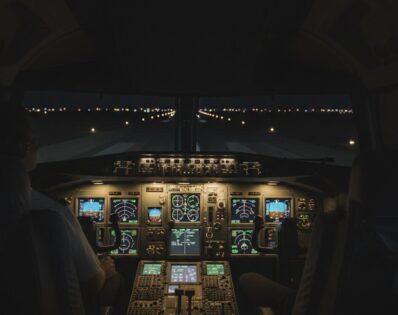
We skipped the standard spiral approach. That corkscrew descent straight down over the airfield, designed to keep aircraft over friendly ground and minimize exposure to ground fire, was brutally effective but punishing on passengers. It created tight G-forces, nausea, vomit cleanup.
Instead, we had developed a modified pattern tailored to the ATR’s capabilities and BIAP’s 13,000-foot runway. Passengers were always briefed beforehand: we would maintain altitude over the field, then push the nose straight down in a steep, roller-coaster descent. No gut-compressing turns, just a controlled dive followed by a flare and touchdown well past the halfway point. The ATR needed only about 3,000 feet to stop, leaving ample runway to minimize taxi time to the military terminal.
The captain leveled briefly, then pushed forward. The nose dropped sharply. The horizon tilted upward in the windshield as we plunged toward the glowing ribbon of concrete. No unusual G-forces, just the eerie sensation of falling straight at the runway. The passengers had been warned, but I could imagine their white-knuckled grips in the cabin.
We touched down smoothly just shy of the midpoint.
A frantic voice exploded over the frequency:
“GRYPHON 42 EXIT NOW EITHER SIDE NOW NOW NOW!!! I MEAN RIGHT NOW!!!”
The voice was raw panic. The captain’s eyes widened. He saw an open ramp to the left, though cluttered with carts. He yanked the yoke left, slammed the prop controls and brakes. Tires screamed.
“GRYPHON GRASS IT IF YOU HAVE TO GRASS IT! HIT THE GRASS!”
We veered hard off the pavement, skidding onto the exit ramp.
At that instant, a thunderous roar erupted behind us. The massive shadow of a C-5 Galaxy screamed past on the runway, so close the blast of its engines tugged violently at our tail. The wind shear rocked the ATR. For a terrifying second, I thought we were about to be overrun.
The captain cursed; rare for him.
“What the hell was that? Where did he come from?”
We had seen nothing on approach. No TCAS alert. The Galaxy had apparently approached with lights off, assuming a blackout, transponder dark, calling only at the last second on military frequencies we didn’t monitor. The near-collision on opposite directions could have been catastrophic. Two aircraft tangled on the runway, BIAP closed for weeks, headlines worldwide.
“Jesus, that was bad,” the copilot whispered, voice shaking. “How did he get there?”
The captain pointed out the window. Equipment blocked the far side of the ramp. We had barely enough room. After confirming no other traffic, he firewalled one engine, pivoting the ATR in a tight, tire-squealing 180-degree turn back onto the runway.
“Clear?” he barked.
“Clear, sir. Cabin reports okay,” the copilot answered.
Adrenaline still surging, we taxied to the military terminal. The 30-minute turn window loomed. Ground crew swarmed. Passengers disembarked quickly. The inbound group boarded just as fast. No further incidents marred the night, but the close call lingered like smoke.
On the return leg, the desert felt even emptier. The captain flew with heightened vigilance. I reflected on the extraordinary risks: the Surge’s chaos, the MANPADS threat, the razor-thin margins of night operations into a combat zone. Our insurance premiums reflected the danger. They were sky-high for good reason. Yet Gryphon Air’s mission continued: ferrying people from war to the promise of home via that seamless Kuwait connection.
As we touched down safely in Kuwait, the captain allowed himself a small smile.
“Excellent trip after all,” he muttered.
I nodded, but my hands still trembled slightly. In the war zone, “excellent” often just meant alive. We had made it. Barely. Tomorrow, we’d do it again.
“Mr Wolf” is a nom-de-guerre for a retired US Army officer who served three tours in Iraq and was instrumental in the founding and early operations of Gryphon Airlines. He has several other startups under his belt, and has served in politics for many years.