Soldier of Fortune Magazine The Journal of Professional Adventurers


by A.R. Fomenko
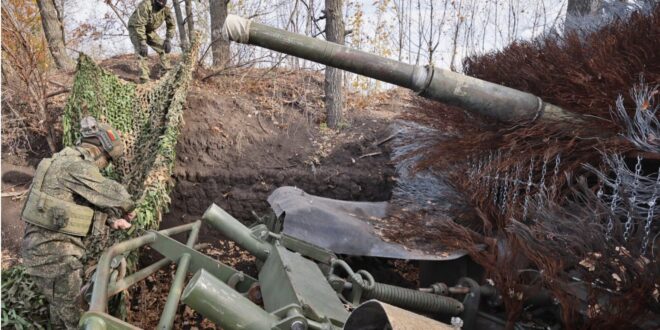
VIENNA BUREAU – On the battlefields of Ukraine, steel beasts now crawl under strange new hides – bristling, porcupine-like shells known as “hedgehog armor.” It’s the latest mutation born from drone-saturated warfare, where a cheap quadcopter can gut a million-dollar tank before the crew even knows it’s coming.
The hedgehog concept is simple. Work crews cut steel cables into uniform lengths, strip them into wiry strands, and bolt the spiked “fur” onto metal cages built around the vehicle. The result is a rolling medieval-style torture device for drones. It’s ugly, top-heavy, and hell on an FPV drone’s fuse.
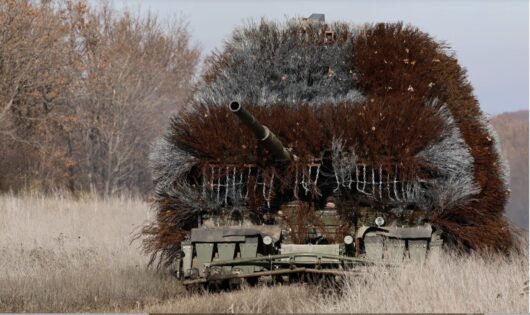
The “fluffy” armor is designed to entangle the drones so that they don’t detonate; or, if they do, to explode without directly contacting the vehicle itself.
Both sides in the Ukraine conflict use the hedgehog system.
One Russian hedgehog tank operating near Toretsk in the Donetsk region was hit dozens of times by Ukrainian FPV drones before taking a decisive hit, one Ukrainian spokesperson said.
The armor works to entangle drones before they would detonate, she told RFE/RL‘s Amos Chapple.
READ MORE about adaptations in drone warfare: Russia’s New Fibre-Optic Drones Evade Jamming in Ukraine
Against bigger hunters like the Lancet, though, the armor is little more than wishful thinking. And it’s tough on the vehicles that wear it.
A Russian tank driver described the cost in a recent interview. After his tank was dressed in hedgehog armor, the added bulk and weight crippled it.
“It didn’t even make it 10 kilometers before one of the components failed,” he said. The stress on the drivetrain was “immense.”
Crews know they’re trading reliability for survival.
The FPV drones have disrupted classic armored assaults, forcing crews to rethink their tactics.
“It is best now to move with the fog,” one soldier said. “That is when the drones can’t see us.”
A.R. Fomenko is based out of Soldier of Fortune’s Vienna Bureau.