Soldier of Fortune Magazine The Journal of Professional Adventurers


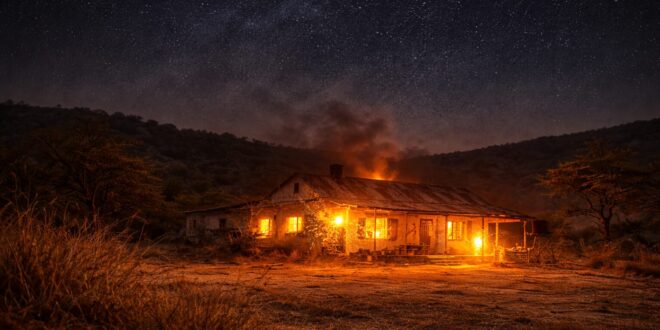
In the predawn hours of 21 December 1972, a guerrilla unit cut the phone lines to the remote farmhouse. Then they attacked.
by Gatimu Juma
The night was quiet along the northeastern frontier of Rhodesia. Altena Farm, a tobacco property, lay near the Mozambique border, where far-flung farms were connected by dirt roads and telephone lines. In those days, trouble on the farm came from drought or pests rather than armed men moving through the bush. That changed in the overnight hours leading into 21 December 1972, marking the start of Operation Hurricane and a new phase of the Rhodesian Bush War.
Shortly before three o’clock in the morning, a guerrilla unit operating along the border cut the telephone line to the farmhouse. A Soviet-designed anti-tank mine was then placed on the farm road, positioned to strike any vehicle attempting to leave or respond.
READ MORE Air Rhodesia Flight 825: Ambush in the Sky, Massacre On the Ground
The farmhouse was home to the Belgian-born farmer Marc de Borchgrave and his family. They slept in their beds until they were jolted awake by gunfire tearing through the walls and sending shattered glass across the rooms.
The attackers were members of the Zimbabwe African National Liberation Army, known as ZANLA. This was the armed wing of the nationalist movement ZANU, which by the early 1970s had begun shifting toward a rural guerrilla campaign inside Rhodesia.
Marc de Borchgrave fled for help while the shooting was still underway. Suspecting that the driveway might have been mined, he ran on foot to a neighboring farm to raise the alarm.
By the time Rhodesian police and military arrived, the attackers were gone. Tracking teams followed the trail eastward until it disappeared across the Mozambique frontier.
Who sent the attackers?
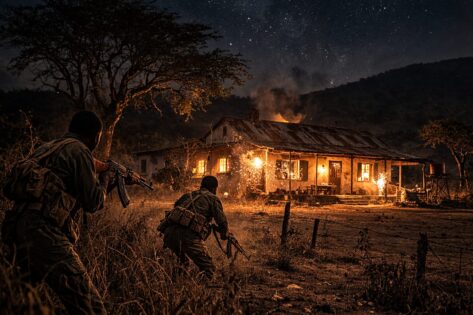
In the region today, the prevailing lore is that Rex Nhongo, also known as Solomon Mujuru, directed the mission.
“Everyone in my family believes it was Nhongo,” said Andy, a man whose family members served in the army in Zimbabwe, the successor state to Rhodesia.
Nhongo once worked for de Borchgrave and “had an axe to grind,” Andy told Soldier of Fortune. “But who knows.”
What is clear is that ZANLA elements operating in this period were trained in small-unit infiltration, night movement, and rapid disengagement before encountering larger security formations.
Altena marked the point at which the conflict began in earnest, when guerrilla operations expanded into sustained rural insurgency. The earlier clashes of the 1960’s foreshadowed the conflict, but they did not yet represent a widespread rural campaign. The Altena Farm attack did not begin the war. It marked the point at which it could no longer be contained. From that night forward, the frontier districts were no longer quiet agricultural ground, but active terrain in an expanding conflict.
Gatimu Juma reports from Africa.