Soldier of Fortune Magazine The Journal of Professional Adventurers


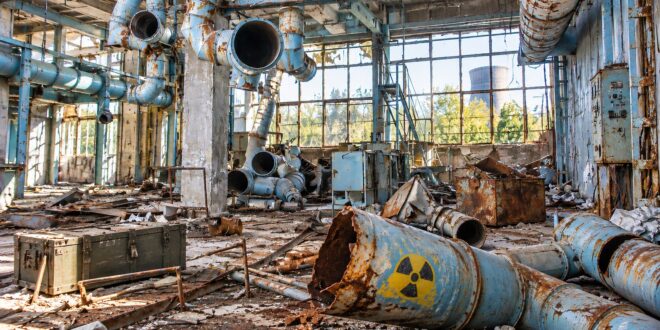
Arms smugglers raid the residue of combat while black-market traders work Chernobyl for contaminated metal and timber. Soldier of Fortune follows three trails out of Ukraine.
Ukraine’s front lines have produced more than casualties and headlines. They’ve produced inventory. Soldier of Fortune has spent months following the trail of what gets pulled out of a war zone and what gets sold — from rifles pried off dead soldiers to radioactive timber and pipe hauled out of the Chernobyl dead zone.
What follows is a look at three threads of that trade, unraveled by A.R. Fomenko of the Vienna Bureau. They include the weapons flooding out of the front, and two very different commodities moving out of a nuclear exclusion zone that was supposed to be sealed for centuries.
“Ukraine Is a Candy Store:” Inside the Raids on Ukraine’s Arms Smugglers
Stolen rifles, trophy weapons stripped off the battlefield, ammunition diverted from official channels. Police in Ukraine say it’s flooded the black market since 2022. In January they went after it with roughly 1,000 raids in a single day. Soldier of Fortune publisher Susan Katz Keating has seen this pattern before, in the Balkans and Northern Ireland. What’s happening in Ukraine now, she says, is the same trade at a bigger scale.
This report lays out how deeply the smuggling economy runs, who’s getting arrested, and why the people running it aren’t likely to stop just because the prison sentences are real.
Crossings in Wartime: Metal From the Dead Zone
Not everything moving out of Ukraine comes from the front. A fixer who goes by “Oleg A.” has spent years connecting buyers and sellers moving goods out of the Chernobyl Exclusion Zone. The material includes radioactive copper-nickel pipe, scrap, timber, and whatever the Zone has to offer. The traffic has slowed since the war started, he told Soldier of Fortune, but the money hasn’t.
This account traces a smuggling pipeline that predates the war by decades, and asks what happens to a black market for contaminated metal when the country running it is also immersed in conflict.
Chernobyl Burning: Radioactive Timber and the Black Market
A wildfire tore through the Exclusion Zone this year, and Oleg watched what happened next. Fire-damaged trees qualify for legal removal under Ukrainian forestry law. It’s a process investigators say criminal networks have exploited for decades, laundering contaminated timber through sorting facilities and rail lines until it turns up as ordinary lumber, or as radioactive charcoal on supermarket shelves. War hasn’t fixed the oversight gap. If anything, it’s widened it.
This feature catches the trade in real time, as a disaster inside a disaster zone opens the door for exactly the kind of opportunists Oleg has spent his career connecting.
Three different commodities, one underlying pattern. Wherever oversight thins out — a checkpoint, a battlefield, a forest fire inside a sealed-off zone — someone is already there, working out how to move product through it.